
Evergreen Eye Center — Glaucoma
Glaucoma
Glaucoma is a group of usually asymptomatic disorders and diseases characterized by optic nerve damage. Over 50% of people with active glaucoma in the United States do not know they have the disease.
- The second leading cause of blindness worldwide
- Often has no early symptoms
- Screening recommended for all patients
Is This Right for You?
Am I a Candidate for Glaucoma?
If any of the following sound familiar, it may be time for an evaluation.
Screening for glaucoma is recommended for all patients, and is especially important for those at higher risk.
Diagnosis & Treatment
How Glaucoma Is Diagnosed and Treated
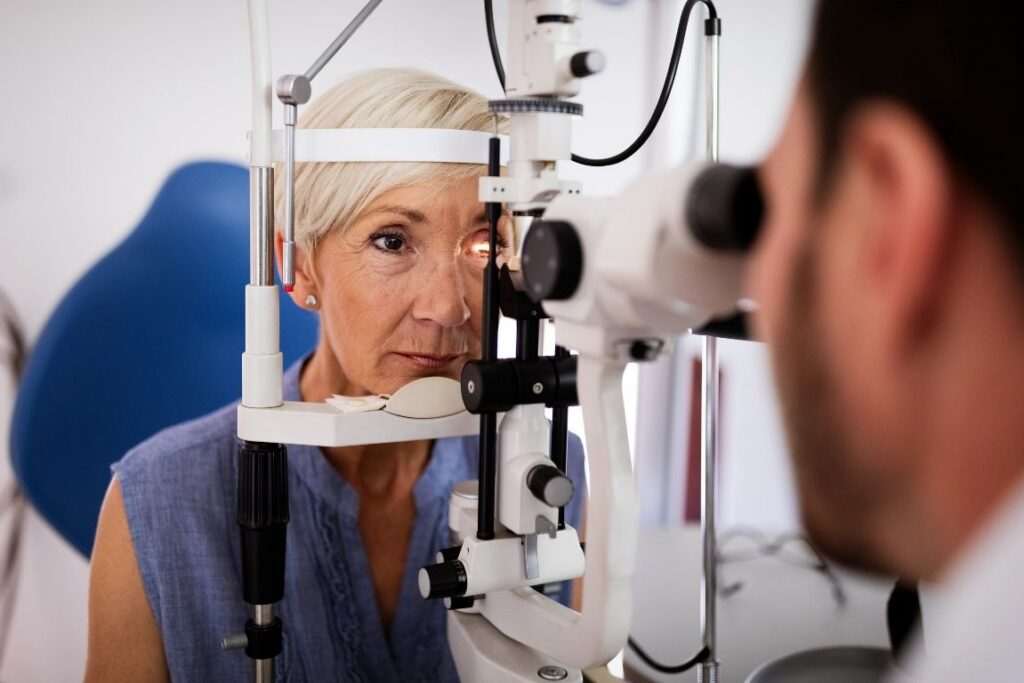
The optic nerve is like a cable that connects the eye to the vision centers in the brain. With glaucoma, this nerve is damaged by a variety of factors, most commonly elevated pressure within the eye. A comprehensive evaluation includes a visual acuity test, a visual field test to check peripheral vision, a dilated eye exam to examine the retina and optic nerve, tonometry to measure eye pressure, and pachymetry to measure corneal thickness. Evergreen Eye Center also uses Optical Coherence Tomography (OCT) to analyze the eye’s nerve fibers and detect disease before vision loss begins, and a Humphrey Visual Field Analyzer to allow early detection of peripheral blind spots. Treatment centers on lowering intraocular pressure, the only known modifiable risk factor, through medicated eye drops, glaucoma laser surgery, or incisional surgery such as a trabeculectomy or glaucoma drainage implant.
Patient Reviews
Your Treatment Options
Eye Drops vs. Laser & Incisional Surgery
Glaucoma treatment centers on lowering intraocular pressure, the only known modifiable risk factor, through one or a combination of these approaches.
Medicated Eye Drops
Daily pressure-lowering medication
- Lowers intraocular pressure, the only known modifiable risk factor
- Often the first treatment recommended
- Requires consistent daily use to be effective
Often First-Line
Laser & Incisional Surgery
Procedural pressure-lowering options
- Glaucoma laser surgery, including selective laser trabeculoplasty (SLT), can help lower eye pressure
- Incisional options include a trabeculectomy or a glaucoma drainage implant
- Considered when drops alone aren't controlling eye pressure
For Advanced or Uncontrolled Cases
Your doctor will recommend a treatment approach based on your eye pressure, optic nerve health, and how your glaucoma responds over time.
Step by Step
Your Glaucoma Care Journey
From screening to ongoing management, here's what to expect.
1
Comprehensive Screening
- Visual acuity and visual field tests
- Dilated eye exam
- Tonometry and pachymetry measurements
2
Advanced Imaging
- OCT imaging of the optic nerve fibers
- Humphrey Visual Field Analyzer testing
- Early signs of damage identified
3
Treatment Plan
- Intraocular pressure-lowering approach determined
- Eye drops, laser, or incisional surgery discussed as needed
- Questions about the diagnosis answered
4
Ongoing Monitoring
- Regular follow-up visits to track eye pressure
- Treatment adjusted as needed
- Vision protected over the long term
What to Expect
Expected Glaucoma Outcomes & Recovery
Untreated glaucoma can lead to irreversible blindness, which is why lowering intraocular pressure and ongoing monitoring are central to treatment.
What Patients Can Expect in the First 30 Days
- Comprehensive screening includes visual acuity, visual field, and dilated eye exams
- OCT imaging can detect damage before you'd notice any vision loss
- Eye pressure is measured with tonometry and monitored over time
- Treatment is adjusted based on how your eye pressure responds
Informed Care
Safety & Risk Considerations
Untreated glaucoma can lead to irreversible blindness. Your treatment plan and its risks will be discussed individually based on your diagnosis and eye pressure.
Safety Profile
- Optical Coherence Tomography helps detect glaucoma before blindness even begins
- The Humphrey Visual Field Analyzer allows early detection of peripheral blind spots before the disease becomes noticeable
- Treatment centers on lowering intraocular pressure, the only known modifiable risk factor
Possible Side Effects
- Eye drop treatment requires consistent daily use to keep intraocular pressure controlled
- Your ophthalmologist will review the risks specific to laser or incisional surgery, such as trabeculectomy or a drainage implant, before recommending them
- Because glaucoma often causes no early symptoms, regular follow-up visits are needed to confirm treatment is working and adjust it if eye pressure isn't controlled
- Contact your doctor promptly if you notice any new vision changes
How We Minimize Risk
Regular Screening
Screening for glaucoma is recommended for all patients, especially those at higher risk.
Advanced Imaging
OCT and Humphrey Visual Field testing help detect damage before you'd notice symptoms.
Personalized Treatment Plan
Treatment ranges from eye drops to laser or incisional surgery, matched to your stage of disease.
Why Evergreen Eye Center
Glaucoma Care: Why Choose Evergreen Eye Center
Here's what sets glaucoma care at Evergreen Eye Center apart.
Dedicated Glaucoma Specialists
Dr. Whitehead and Dr. Anderson focus specifically on diagnosing and treating glaucoma.
Advanced Diagnostic Technology
OCT imaging and Humphrey Visual Field testing allow us to detect glaucoma before symptoms appear.
A Full Range of Treatment Options
From eye drops to laser and incisional surgery, treatment is matched to your stage of disease.
Our Team
Our Glaucoma Specialists
John J. Whitehead, MD, and Roger Anderson, MD, specialize in early detection and treatment of glaucoma at Evergreen Eye Center.






Find Us
Glaucoma in Seattle
Glaucoma screening and treatment are available across our Federal Way, Federal Way – Maplewood, Auburn, Seattle, Burien, and Tacoma locations.
Coverage & Financing
Cost & Insurance
Glaucoma screening and treatment are typically billed to medical insurance. Evergreen Eye Center also offers flexible payment options for any out-of-pocket costs.
Insurance We Accept
28+ plans accepted
- Accepted plans include Aetna, Blue Cross Blue Shield, Cigna, Kaiser Foundation Health Plan, Medicare, Premera Blue Cross, Regence, TriWest/Tricare, and United Healthcare, among 28+ carriers
- Different carriers and plans have different requirements, so coverage can vary
- Contact your insurance provider directly to confirm your specific benefits
Coverage requirements vary by carrier and plan, contact your insurer to confirm your specific benefits.
Payment & Financing Options
Ways to pay for your care
- Cash, check, and major credit cards (Visa, MasterCard, American Express, Discover) are accepted
- Flexible Spending Accounts (FSA) and Health Savings Accounts (HSA) can be used
- Limited CareCredit financing is available for qualifying procedures of $200 or more, subject to credit approval
Our billing team can answer payment questions at 206-212-2100.
Flexible financing available. We work with CareCredit to offer low- and no-interest payment plans for premium lens upgrades and elective procedures. Ask about your options at your consultation.
locationsCommon Questions
Frequently Asked Questions
Answers to common questions about glaucoma.
What is glaucoma?
Glaucoma is damage to the optic nerve from a variety of risk factors, such as too-high pressure in the eye. It results in loss of peripheral vision.
Who is at risk for glaucoma?
Higher-risk groups include people over 60, African-Americans and Hispanics, those who are significantly nearsighted, and anyone with a family history of glaucoma, diabetes, a history of eye trauma, or steroid use.
How is glaucoma treated?
Glaucoma can be treated using eye drops or a surgical procedure called selective laser trabeculoplasty (SLT).
What does a glaucoma evaluation involve?
A comprehensive glaucoma evaluation typically includes a visual acuity test to check your overall eyesight, a visual field test to assess peripheral vision, a dilated eye exam to examine the retina and optic nerve, tonometry to measure eye pressure, and pachymetry to measure corneal thickness.
Ready When You Are
Schedule Your Free Consultation
Most patients see results within 24 hours. Consultations are available at all four locations, online scheduling takes less than two minutes.