
Evergreen Eye Center — Eyelid Surgery
Eyelid Surgery
Your eyelids are a thin, sensitive piece of skin that protects your eyes. They are susceptible to aging and changes over time that can affect your eyesight and even block your vision.
- Upper and lower blepharoplasty available
- Treats ptosis, or drooping upper eyelids
- Can address eyelid skin tumors
Is This Right for You?
Am I a Candidate for Eyelid Surgery?
If any of the following sound familiar, it may be time for an evaluation.
Patients may need eyelid surgery if drooping eyelids obstruct vision, if lower eyelids sag so low the eyes cannot close all the way, or if a tumor needs to be removed from the eyelid.
The Procedure
What Is Eyelid Surgery?
Blepharoplasty is a plastic surgery used to reshape the upper eyelids, lower eyelids, or both, depending on your needs. Upper blepharoplasty reduces excess skin, fat, and tissue in the upper eyelids. Lower eyelid blepharoplasty is usually a more cosmetic-oriented procedure, though if the lower eyelids sag so low the eyes cannot close all the way, it may be medically necessary. The term for drooping upper eyelids is ptosis, which occurs when the muscles holding the upper eyelids weaken and stretch over time. The most common way to treat skin cancer on or around the eyelids is removal. The oculoplastic surgeons at Evergreen Eye Center have the skills and experience needed to keep your eyelids healthy and looking young.
Ptosis
Ptosis is the term for drooping upper eyelids, caused by the muscles holding the eyelid weakening and stretching over time.
While most common in older adults, ptosis can also occur in younger people and even children, where treatment is important to prevent long-term vision complications. Eye trauma, inflammation, and nerve disorders can also contribute to its development.
Ptosis surgery works by tightening and shortening the affected muscles, restoring the eyelid to a more natural position. If drooping eyelids are affecting your vision, ptosis surgery may be necessary.
Eyelid Skin Tumors
Skin tumors are common around the eyes, particularly on the lower eyelids, and the surrounding skin is especially sensitive to UV damage.
The most common treatment is surgical removal, which reduces the chance of the tumor returning. Because removing a tumor also removes a portion of the surrounding skin, a reconstructive procedure is often needed afterward to restore a fully functioning eyelid.
Some scarring is common following tumor removal, and your surgeon will work to minimize its appearance. Follow-up care is important to confirm the area heals properly and the tumor does not return, with most patients fully healed within six months to a year.
Eyelid Laxity, Malposition, and Lagophthalmos
Eyelid laxity, malposition, and lagophthalmos are conditions related to the position and alignment of the eyelids.
Lagophthalmos is the inability to fully close the eyelids. Eyelid malposition refers to abnormal eyelid positioning whether the eyes are open or closed. Eyelid laxity involves a loss of elastin in the eyelid skin, which can lead to drooping that affects vision.
Left untreated, these conditions can prevent the eyes from closing fully, leading to dryness and related eye problems. Depending on the condition, ptosis repair or another eyelid procedure may be recommended to correct it.
Patient Reviews
Your Options
Upper vs. Lower Blepharoplasty
Blepharoplasty can reshape the upper eyelids, lower eyelids, or both, depending on your needs.
Upper Blepharoplasty
Reduces excess upper eyelid skin and tissue
- Reduces excess skin, fat, and tissue in the upper eyelids
- Can restore vision blocked by drooping eyelids (ptosis)
Often Vision-Related
Lower Blepharoplasty
Addresses lower eyelid sagging
- Usually a more cosmetic-oriented procedure
- May be medically necessary if sagging prevents the eyes from closing fully
Often Cosmetic
Your surgeon will determine whether upper, lower, or combined blepharoplasty fits your needs at consultation.
Step by Step
Your Eyelid Surgery Journey
From evaluation to healthier eyelids, here's what to expect.
1
Eyelid Evaluation
- Vision impact of eyelid position assessed
- Ptosis, laxity, or lesions examined
- Medical necessity versus cosmetic goals discussed
2
Surgical Planning
- Upper, lower, or combined blepharoplasty recommended
- Anesthesia and logistics reviewed
- Procedure date scheduled
3
Surgery
- Excess skin, fat, or tissue addressed through blepharoplasty
- Ptosis repair or tumor removal performed as needed
- Outpatient procedure
4
Recovery
- Healing monitored at follow-up visits
- Vision and appearance improvements assessed
- Long-term eyelid health maintained
What to Expect
Expected Eyelid Surgery Outcomes & Recovery
Eyelids that are healthy and in good shape are imperative to maintaining healthy eyes and clear eyesight.
What Patients Can Expect in the First 30 Days
- Upper blepharoplasty reduces excess skin, fat, and tissue in the upper eyelids
- Lower blepharoplasty addresses sagging that is cosmetic or, in some cases, medically necessary
- Ptosis repair addresses drooping caused by weakened eyelid muscles
- Follow-up visits monitor healing and results
Informed Care
Safety & Risk Considerations
Your oculoplastic surgeon will discuss which type of blepharoplasty fits your needs and the risks specific to your procedure at consultation.
Safety Profile
- Blepharoplasty is performed by oculoplastic surgeons with the skills and experience needed to keep your eyelids healthy
- Lower blepharoplasty is usually a cosmetic-oriented procedure, but can be medically necessary if sagging prevents your eyes from closing fully
Possible Side Effects
- Healing after blepharoplasty, ptosis repair, or eyelid tumor removal is monitored at scheduled follow-up visits
- Because these procedures range from cosmetic to medically necessary, your surgeon will review the recovery timeline and risks specific to what you're having done
- Contact your surgeon if you notice unexpected vision changes or symptoms during your recovery
How We Minimize Risk
Oculoplastic Specialists
Procedures are performed by surgeons focused specifically on eyelid and periocular health.
Medical vs. Cosmetic Evaluation
Your surgeon determines whether your procedure is medically necessary or elective before treatment.
Careful Recovery Monitoring
Scheduled post-op visits let us track your healing and catch any concerns early.
Why Evergreen Eye Center
Eyelid Surgery: Why Choose Evergreen Eye Center
Here's what sets eyelid surgery care at Evergreen Eye Center apart.
Skilled Oculoplastic Surgeons
Our oculoplastic surgeons have the skills and experience needed to keep your eyelids healthy and looking young.
Both Functional & Cosmetic Care
We treat eyelid surgery needs from vision-obstructing ptosis to more cosmetic-oriented concerns.
Puget Sound's Leading Eye Care Provider
Evergreen Eye Center is recognized as the Puget Sound area's leading eye care, LASIK, and cataract surgery provider.
Our Team
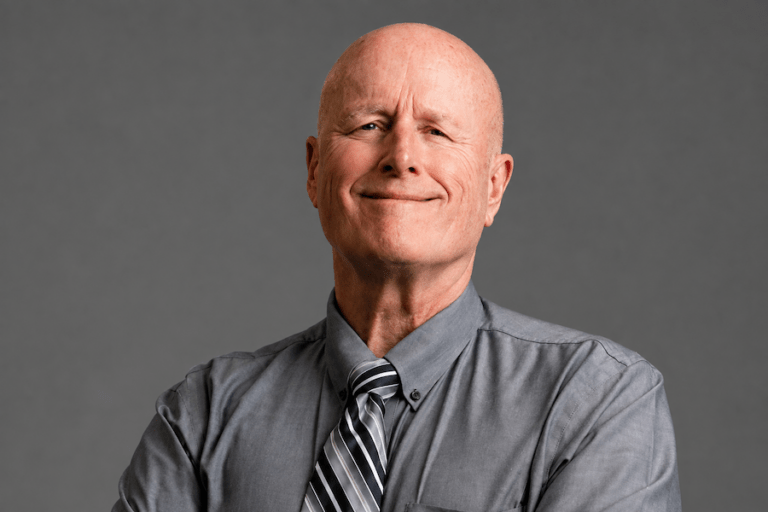
Our Oculoplastic Surgeons
Our oculoplastic surgeons combine surgical precision with an eye for natural, healthy-looking results.
Find Us
Eyelid Surgery in Seattle
Eyelid surgery evaluations are available across our Federal Way, Federal Way – Maplewood, Auburn, Seattle, Burien, and Tacoma locations.
Coverage & Financing
Cost & Insurance
Medically necessary eyelid surgery is often covered by insurance, while cosmetic blepharoplasty typically is not. Evergreen Eye Center offers flexible payment options either way.
Insurance We Accept
28+ plans accepted
- Accepted plans include Aetna, Blue Cross Blue Shield, Cigna, Kaiser Foundation Health Plan, Medicare, Premera Blue Cross, Regence, TriWest/Tricare, and United Healthcare, among 28+ carriers
- Different carriers and plans have different requirements, so coverage can vary
- Contact your insurance provider directly to confirm your specific benefits
Coverage requirements vary by carrier and plan, contact your insurer to confirm your specific benefits.
Payment & Financing Options
Ways to pay for your care
- Cash, check, and major credit cards (Visa, MasterCard, American Express, Discover) are accepted
- Flexible Spending Accounts (FSA) and Health Savings Accounts (HSA) can be used
- Limited CareCredit financing is available for qualifying procedures of $200 or more, subject to credit approval
Our billing team can answer payment questions at 800-340-3595.
Flexible financing available. We work with CareCredit to offer low- and no-interest payment plans for premium lens upgrades and elective procedures. Ask about your options at your consultation.
locationsCommon Questions
Frequently Asked Questions
Answers to common questions about eyelid surgery.
What is blepharoplasty?
Blepharoplasty is a plastic surgery used to reshape the upper eyelids, lower eyelids, or both, depending on your needs.
What is ptosis?
Ptosis is the term for drooping upper eyelids. It occurs when the muscles holding your upper eyelids weaken and stretch over time.
Is lower eyelid surgery cosmetic or medically necessary?
Lower eyelid blepharoplasty is usually a more cosmetic-oriented procedure. However, if your lower eyelids sag so low your eyes cannot close all the way, it may be medically necessary.
Ready When You Are
Schedule Your Free Consultation
Most patients see results within 24 hours. Consultations are available at all four locations, online scheduling takes less than two minutes.