
Evergreen Eye Center — Cataracts
Cataracts
Cataracts cause a gradual worsening in symptoms like blurry or cloudy vision, decreased night vision, and glare from light sources. Our experienced cataract surgeons can restore your vision through cataract surgery using advanced technology.
- Blurry, cloudy, or dulled vision
- Increasing glare and halos around lights
- A safe, common surgery that restores clear sight
Is This Right for You?
Am I a Candidate for Cataracts?
If any of the following sound familiar, it may be time for an evaluation.
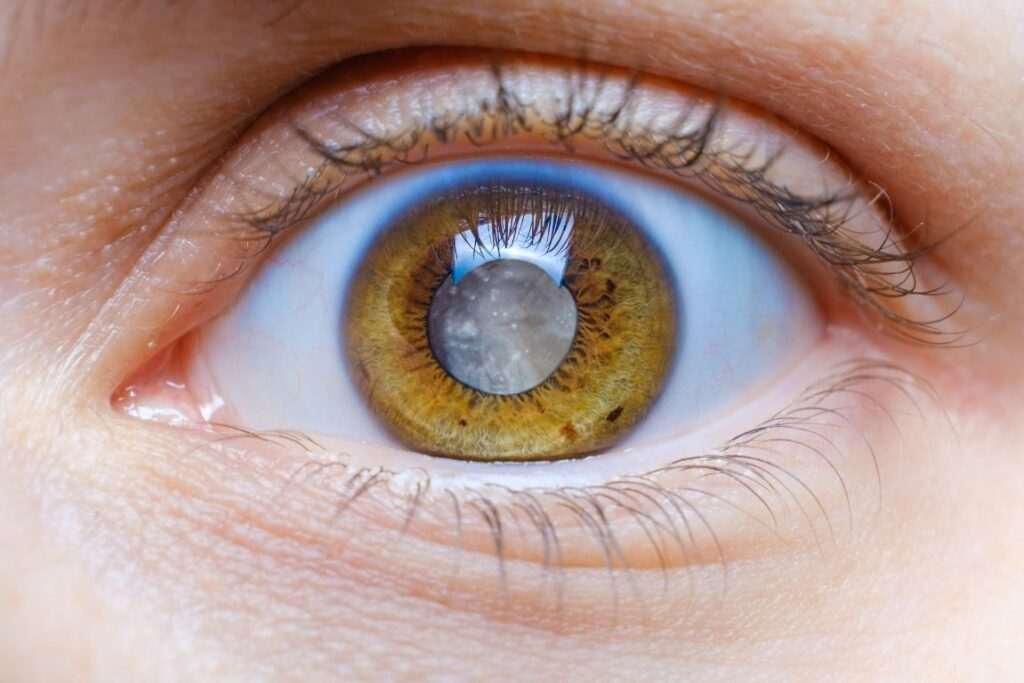
Many people with cataracts also report that colors appear dull or yellow, and that they feel like they are looking through a foggy window. If these symptoms sound familiar, schedule an evaluation to find out if cataract surgery is right for you.
The Procedure
What Is Cataract Surgery?
Cataracts are a part of the eye’s natural aging process. A cataract occurs when the eye’s clear lens becomes cloudy, causing vision to become blurry. The most common cause of cataracts is aging, though diabetes, smoking, radiation treatment, previous eye surgery, and eye injury can also contribute.
Cataract surgery takes twenty to thirty minutes and is performed on an outpatient basis. After numbing the eye with drops, your surgeon creates a small opening in the cornea, breaks up and removes the cloudy natural lens, and inserts an artificial intraocular lens (IOL) in its place, ensuring proper placement before the cornea heals naturally without stitches.
Evergreen Eye Center also offers dropless cataract surgery, administering antibiotic and anti-inflammatory medication directly into the eye during surgery rather than relying on post-operative drops. If cataracts remain untreated, they will continue to block more light entering the eye and cause vision to worsen further.
Patient Reviews
Your Lens Options
Standard vs. Premium IOLs: Which Is Right for You?
Cataract surgery replaces your cloudy natural lens with an artificial intraocular lens (IOL). Evergreen Eye Center offers both standard and premium IOL options, so you and your surgeon can choose the lens that best fits your vision goals.
Monofocal (Standard) IOL
Crisp vision at one distance
- Provides crisp, clear vision at one chosen distance, whether near, intermediate, or far
- The standard lens used in cataract surgery
- Typically covered by medical insurance
- You will likely still need glasses for some activities
Included with Surgery
Premium IOL (Multifocal, Toric & Light Adjustable)
Vision at multiple distances
- Multifocal lenses provide vision at multiple distances, reducing the need for glasses
- The Light Adjustable Lens lets your doctor fine-tune your vision after surgery using a photo-sensitive lens material
- Toric IOLs correct moderate to high astigmatism, available in monofocal or multifocal versions
- Premium lenses may not be fully covered by insurance
Advanced Options
Your surgeon will help you choose the lens that best fits your vision goals, budget, and eye health, not every patient is a candidate for every lens type.
Step by Step
Your Cataract Surgery Journey
From your first evaluation to clear vision, here's what to expect.
1
Cataract Evaluation
- Comprehensive eye exam
- Discussion of your symptoms and daily vision needs
- Lens options reviewed with your doctor
2
Surgery Scheduled
- Pre-operative measurements taken
- Questions about anesthesia and logistics answered
- Surgery date confirmed
3
Cataract Surgery
- Outpatient procedure at one of our surgical locations
- Cloudy lens removed and replaced with an intraocular lens
- Most patients go home the same day
4
Recovery & Follow-Up
- Eye drops used as directed to support healing
- Follow-up visits to monitor your vision
- Most patients notice improved vision within days
What to Expect
Expected Cataracts Outcomes & Recovery
When your cataracts begin to affect your vision enough to interfere with your life, your eye doctor will likely recommend cataract surgery.
What Patients Can Expect in the First 30 Days
- Vision is often blurry for the first few days after surgery before it clears
- Mild discomfort or a scratchy sensation is common during initial healing
- A protective eye shield may be worn to prevent accidental eye rubbing
- Follow-up visits are scheduled to monitor your healing
- Most patients notice improved vision within days
Informed Care
Safety & Risk Considerations
If cataracts remain untreated, they will continue to block more and more light that enters the eye and cause your vision to worsen. Your doctor will discuss the benefits and risks of surgery at your evaluation.
Safety Profile
- Cataract surgery is a common and safe procedure that effectively restores vision
- The outpatient procedure takes just twenty to thirty minutes to complete
- The small corneal incision is self-sealing and typically heals without stitches
- Evergreen Eye Center offers dropless cataract surgery, delivering antibiotic and anti-inflammatory medication directly into the eye during surgery
Possible Side Effects
- Vision is often blurry for the first few days after surgery before it clears
- Some mild discomfort or a scratchy sensation is common during initial healing
- Call your doctor immediately if you notice worsening vision, increased eye pain, discharge, flashes of light, or swelling
How We Minimize Risk
Comprehensive Evaluation
Your surgeon reviews your eye health and vision needs before recommending surgery.
Dropless Medication Delivery
Antibiotic and anti-inflammatory medication is delivered directly into the eye during surgery, reducing reliance on a strict at-home drop schedule.
Attentive Follow-Up Care
Scheduled follow-up visits let your doctor monitor healing and catch any concerns early.
Why Evergreen Eye Center
Cataracts: Why Choose Evergreen Eye Center
Here's what sets cataract care at Evergreen Eye Center apart.
Experienced Cataract Surgeons
Our ophthalmologists have performed cataract surgery for patients throughout the Puget Sound area for years.
A Free Cataract Self-Test
Not sure if what you're experiencing is a cataract? Our online self-test is a simple first step.
Advanced IOL Options
We offer a range of intraocular lens choices so you and your doctor can select the best fit for your vision goals.
Our Team
Our Cataract Surgeons
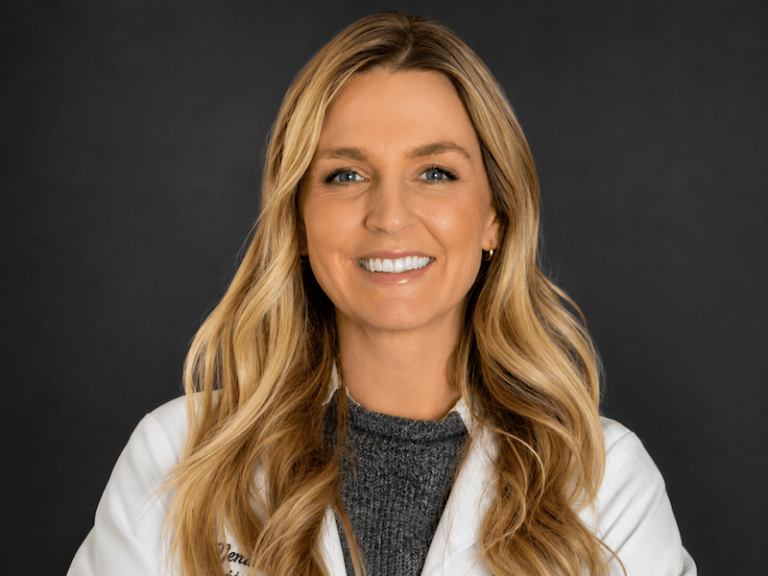
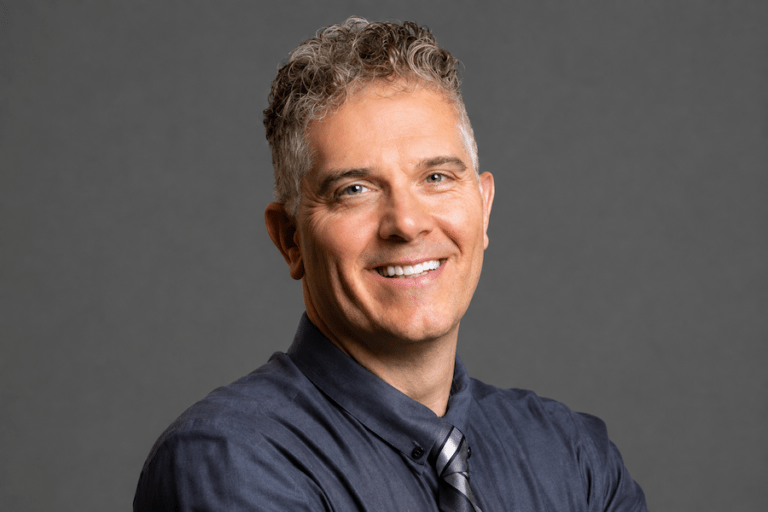
Our board-certified ophthalmologists provide expert, personalized cataract evaluations and surgery throughout the Puget Sound area.






Find Us
Cataracts in Seattle
Cataract evaluations and surgery are available across our Federal Way, Federal Way – Maplewood, Auburn, Seattle, Burien, and Tacoma locations.
Coverage & Financing
Cost & Insurance
Cataract surgery cost varies based on the lens and technology you choose. Evergreen Eye Center also offers dropless cataract surgery, which can reduce your out-of-pocket prescription drop costs.
Standard Cataract Surgery
Insurance coverage
- Monofocal IOLs are typically covered by medical insurance
- Check with your insurance provider before surgery to confirm coverage
- Dropless surgery may reduce your out-of-pocket prescription drop costs
Ask our team about verifying your specific coverage before your procedure.
Premium Lens Upgrades
Out-of-pocket options
- Premium IOLs like multifocal, toric, and Light Adjustable Lenses are elective upgrades
- These options are often not fully covered by insurance
- Your surgeon can help you weigh the added cost against your vision goals
Our team will review your options and costs during your cataract evaluation.
Flexible financing available. We work with CareCredit to offer low- and no-interest payment plans for premium lens upgrades and elective procedures. Ask about your options at your consultation.
locationsCommon Questions
Frequently Asked Questions
Answers to common questions about cataracts.
How do I know if I have a cataract?
Common signs include clouded or blurred vision, the appearance of glare or halos, needing increased light to read, reduced night vision, and double or multiple images.
How are cataracts treated?
Cataracts in their early stages can be treated with corrective eyeglasses. More advanced cataracts can be treated with cataract surgery.
What are premium intraocular lenses?
Intraocular lenses (IOLs) are surgically implanted artificial lenses that replace your natural lens and can be used to correct a range of vision problems.
Ready When You Are
Schedule Your Free Consultation
Most patients see results within 24 hours. Consultations are available at all four locations, online scheduling takes less than two minutes.