
Evergreen Eye Center — Diabetic Eye Conditions
Diabetic Eye Conditions
Diabetes is a disease that can do severe damage to many parts of your body. Your eyes are no exception, and are particularly susceptible to debilitating conditions that can cause permanent vision loss.
- Diabetic retinopathy often has no early symptoms
- Regular eye exams are essential for early detection
- See your eye doctor at least twice a year
Is This Right for You?
Am I a Candidate for Diabetic Eye Conditions?
If any of the following sound familiar, it may be time for an evaluation.
Regulating your blood sugar and keeping it below dangerous thresholds is the best way to help prevent diabetic eye damage, along with seeing your eye doctor at least twice a year.
Conditions We Treat
Diabetic Eye Conditions We Diagnose and Treat
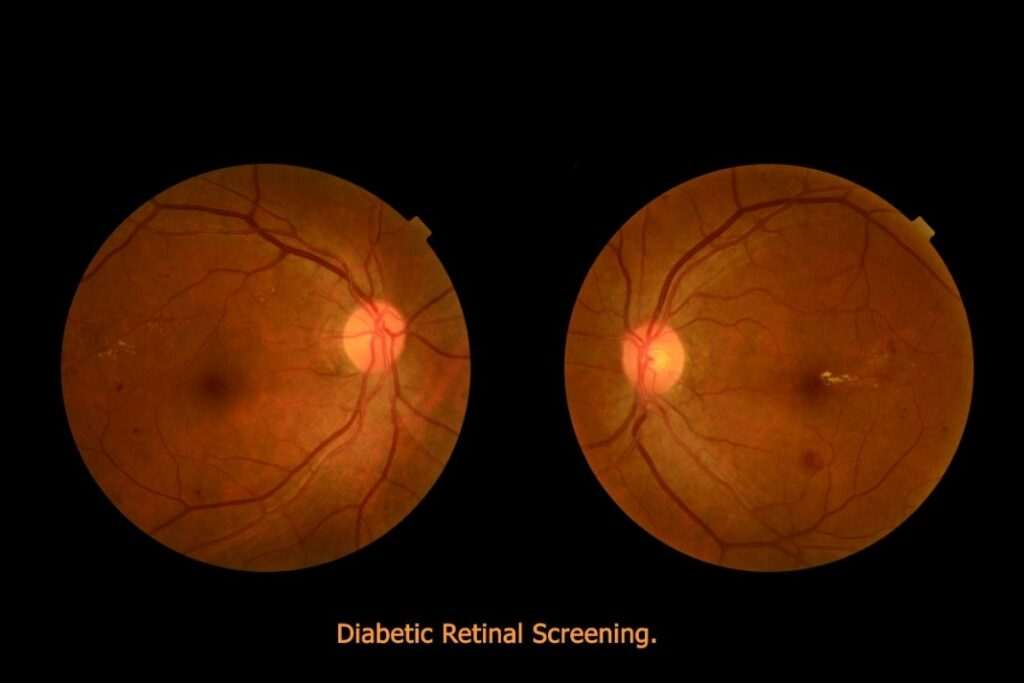
Diabetic retinopathy is an eye condition that is a complication of diabetes, occurring when the blood vessels in the retina are damaged by high blood sugar levels. Non-proliferative diabetic retinopathy is the early and most common stage, when high blood sugar causes blockages in the retina’s blood vessels. Diabetic macular edema develops when fluid builds up in the macula, the center of the retina responsible for clear, focused near sight, causing blurry or spotty vision and difficulty recognizing faces. Diabetes can also cause diabetic cataracts, a clouding of the eye’s natural lens that diabetes can speed the development of. Evergreen Eye Center diagnoses these conditions with optical coherence tomography, fluorescein angiography, ICG, and digital fundus photography, and treats them with argon lasers, anti-VEGF therapy, photodynamic therapy, and cataract surgery, which replaces a cloudy natural lens with an intraocular lens (IOL).
Patient Reviews
Your Treatment Options
Anti-VEGF Therapy vs. Argon Laser vs. Cataract Surgery
Diabetes can affect the eye in several different ways, and treatment is matched to the specific condition.
Anti-VEGF Therapy
Medication injections
- Medications prevent the growth of abnormal blood vessels caused by diabetic eye disease
- Targets diabetic macular edema and retinopathy
For Diabetic Macular Edema
Argon Laser Treatment
Precise laser treatment
- Argon lasers can precisely treat diabetic eye diseases that cause fluid to leak into the eyes
For Leaking Blood Vessels
Cataract Surgery
Replaces the clouded lens
- Diabetes can speed the development of cataracts
- Cataract surgery replaces the cloudy lens with an intraocular lens (IOL)
For Diabetic Cataracts
Your ophthalmologist will recommend the treatment, or combination of treatments, that fits your diagnosis.
Step by Step
Your Diabetic Eye Care Journey
From screening to ongoing protection of your vision.
1
Diabetic Eye Exam
- Comprehensive dilated exam of the retina
- Blood sugar history reviewed
- Signs of retinopathy or macular edema checked
2
Advanced Imaging
- Optical coherence tomography
- Fluorescein or ICG angiography
- Digital fundus photography
3
Treatment
- Argon laser treatment for leaking vessels
- Anti-VEGF therapy or photodynamic therapy as needed
- Cataract surgery if diabetic cataracts have developed
4
Ongoing Monitoring
- Eye exams recommended at least twice a year
- Blood sugar management reinforced
- Vision changes tracked over time
What to Expect
Expected Diabetic Eye Conditions Outcomes & Recovery
The best way to prevent diabetic eye damage is to maintain healthy blood sugar, and to see your eye doctor at least twice a year.
What Patients Can Expect in the First 30 Days
- Diabetic retinopathy may not have symptoms when it first develops
- Regular dilated eye exams can catch changes before vision is affected
- Treatment ranges from laser therapy to anti-VEGF injections to cataract surgery
- Blood sugar management plays a central role in preventing further damage
Informed Care
Safety & Risk Considerations
If diabetic eye disease develops for long enough without treatment, it can cause complete and permanent vision loss, which is why regular exams and blood sugar control are essential.
Safety Profile
- Standard tests like optical coherence tomography and fluorescein angiography allow conditions to be diagnosed early
- Diabetic retinopathy may not have symptoms at first, which is why regular screening matters
- Regulating blood sugar is the best way to help prevent diabetic eye damage
Possible Side Effects
- Diabetic retinopathy often causes no symptoms until it has progressed, so treatment decisions rely on regular screening rather than how you feel
- Treatment ranges from argon laser therapy to anti-VEGF injections to cataract surgery, and your ophthalmologist will review the risks specific to what's recommended for you
- Consistent blood sugar management plays a central role in preventing further diabetic eye damage, alongside your prescribed treatment
How We Minimize Risk
Twice-Yearly Eye Exams
Patients with diabetes should see their eye doctor at least twice a year to catch changes early.
Blood Sugar Management
Regulating blood sugar and keeping it below dangerous thresholds is the best way to help prevent diabetic eye damage.
Advanced Diagnostic Testing
OCT, fluorescein angiography, ICG, and digital fundus photography help detect diabetic eye disease early.
Why Evergreen Eye Center
Diabetic Eye Care: Why Choose Evergreen Eye Center
Here's what sets diabetic eye care at Evergreen Eye Center apart.
Comprehensive Diabetic Screening
We use OCT, fluorescein and ICG angiography, and digital fundus photography to catch diabetic eye disease early.
A Full Range of Treatments
From laser treatment to anti-VEGF therapy and cataract surgery, treatment is matched to your specific diabetic eye condition.
Puget Sound's Leading Eye Care Provider
Evergreen Eye Center is recognized as the Puget Sound area's leading eye care, LASIK, and cataract surgery provider.
Our Team
Our Diabetic Eye Care Team
Our ophthalmologists provide regular screening and treatment to help protect the vision of patients living with diabetes.


Find Us
Diabetic Eye Conditions in Seattle
Diabetic eye exams are available across our Federal Way, Federal Way – Maplewood, Auburn, Seattle, Burien, and Tacoma locations.
Coverage & Financing
Cost & Insurance
Diabetic eye exams and treatment are typically billed to medical insurance. Evergreen Eye Center also offers flexible payment options for any out-of-pocket costs.
Insurance We Accept
28+ plans accepted
- Accepted plans include Aetna, Blue Cross Blue Shield, Cigna, Kaiser Foundation Health Plan, Medicare, Premera Blue Cross, Regence, TriWest/Tricare, and United Healthcare, among 28+ carriers
- Different carriers and plans have different requirements, so coverage can vary
- Contact your insurance provider directly to confirm your specific benefits
Coverage requirements vary by carrier and plan, contact your insurer to confirm your specific benefits.
Payment & Financing Options
Ways to pay for your care
- Cash, check, and major credit cards (Visa, MasterCard, American Express, Discover) are accepted
- Flexible Spending Accounts (FSA) and Health Savings Accounts (HSA) can be used
- Limited CareCredit financing is available for qualifying procedures of $200 or more, subject to credit approval
Our billing team can answer payment questions at 206-212-2100.
Flexible financing available. We work with CareCredit to offer low- and no-interest payment plans for premium lens upgrades and elective procedures. Ask about your options at your consultation.
locationsCommon Questions
Frequently Asked Questions
Answers to common questions about diabetic eye conditions.
What is diabetic retinopathy?
Diabetic retinopathy describes the effect that diabetes can have on your eyes. Two types exist: non-proliferative, with bleeding or leaking vessels, and proliferative, with abnormal blood vessel growth.
What's the difference between non-proliferative and proliferative diabetic retinopathy?
Non-proliferative diabetic retinopathy is the early and most common stage, where high blood sugar causes blockages in the retina’s blood vessels. If the condition progresses, the eye may try to grow new blood vessels to compensate, a more advanced stage called proliferative diabetic retinopathy. These new vessels are fragile and prone to leaking, making proliferative retinopathy a more serious condition than the non-proliferative stage.
Ready When You Are
Schedule Your Free Consultation
Most patients see results within 24 hours. Consultations are available at all four locations, online scheduling takes less than two minutes.